Optimizing Hub Operations with Workforce Forecasting
April 10, 2026
The company runs a large online auction platform and shopping website that connects buyers and sellers in over 190 countries. Their website has millions of sellers with 1.9 billion global listings and over 132 million active buyers.
THE CHALLENGE
In one of the company’s key European markets, the Category Managers of the Do-It-Yourself (DIY) segment noticed that there was a gradual decline in overall sales for the past few years. The business stakeholders did not know if this reduction in category sales was caused by a uniform drop across all the corresponding sub-categories or if there was a steep fall in one particular sub-category, while the other sub-categories performed consistently, year on year.
The company charged each seller a fixed percentage fee on every item that was sold through their marketplace. Earlier in the year, the company had increased the commission percentage that it charged for different categories, including the DIY segment. Their business stakeholders needed to understand the impact that this price change had on the segment and whether it had directly resulted in the lower sales that were observed.
The company needed an analytics partner to perform a detailed analysis of the change in the annual sales of the DIY segment, including the identification of the specific sub-categories that were performing below expectations. They also needed a set of recommendations on how to address the root cause of the issue, thereby increasing the overall sales and Gross Merchandise Volume (GMV, which is the total value of all paid transactions inclusive of shipping fees and taxes) for that market.
THE SOLUTION
The Prescience team studied the sales data of the DIY category for the preceding years and identified a significant spike in the sales of a particular product, which came after a massive electricity grid failure impacted a large part of the country. Since this one-time increase in the sales of a product was skewing the overall sales numbers, it was filtered out to calculate the sales volume for the entire category and corresponding sub-categories.
Based on this normalized data, our team identified that the overall sales for the DIY category had been consistently dropping over the past few years. On further analysis, our analysts found that during this time period, the sales of the higher priced DIY products had been steadily declining more than that of lower priced items. Premium brands that focussed on higher quality levels instead of perceived value, were most impacted in this time frame. Also, a comparative price study of this segment across different online marketplaces showed that the category prices were the highest on the company’s website.
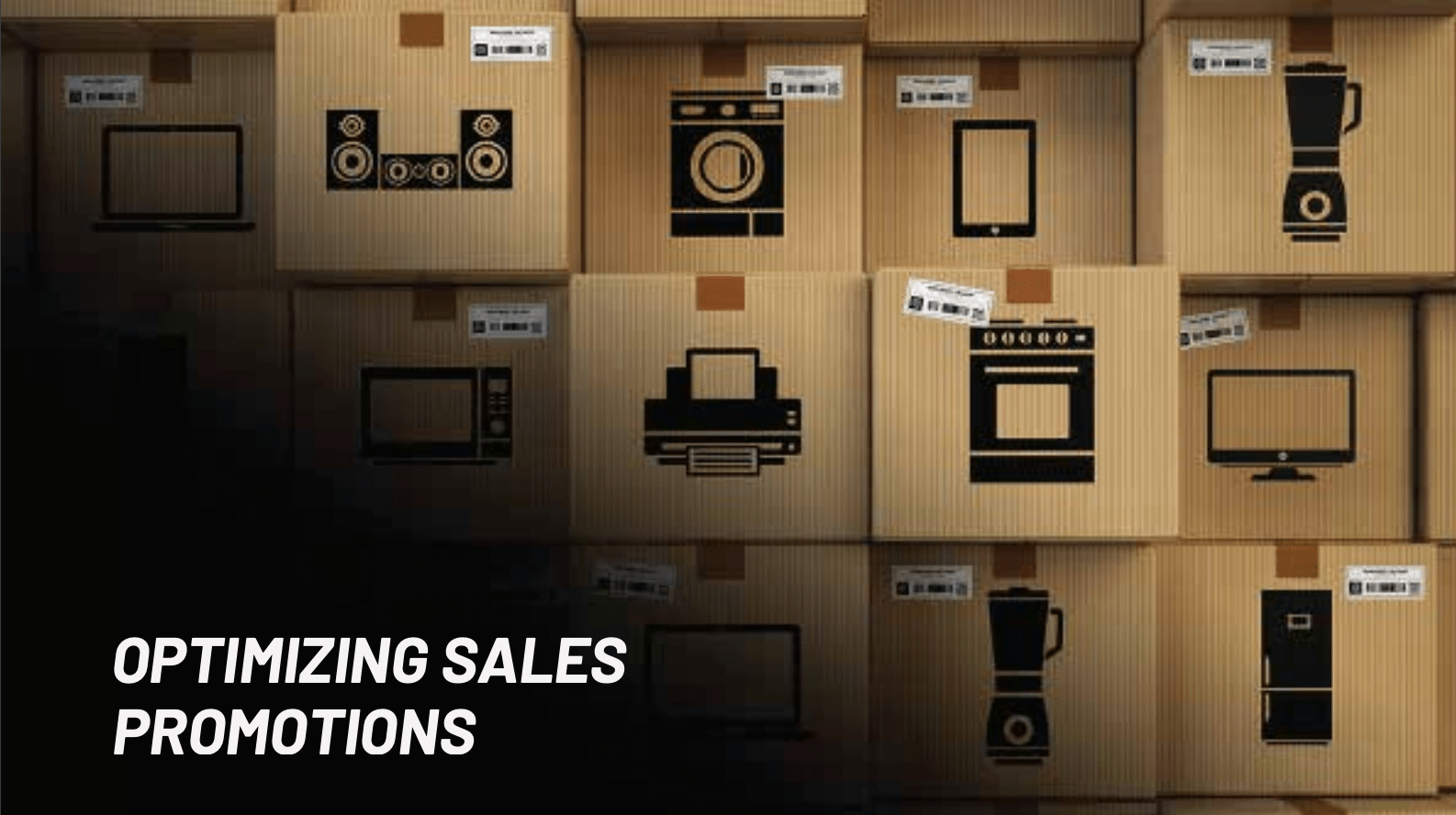
To address this issue of price competitiveness, our team recommended a set of customized promotions for their managed sellers, including a revised slab-based pricing model that incentivised sellers to list higher priced DIY products. Our team tracked the results of these new promotions to ensure that their category sellers were now able to match the pricing of the same products on competitor websites.
The different technologies used for this engagement included,
SQL
Python
Microsoft Excel
THE IMPACT
With the updated slab-based pricing model coming into effect, the sellers began to list more higher priced DIY items on the company’s marketplace, at rates that were competitive with other online platforms. This move led to a sustained increase in the overall sales and GMV of the DIY segment, for that country.
Learn from the Success Stories of Business Transformations Fueled by Data, AI and Machine Learning