Improving Advertising Revenue Forecasting with Seasonality-Driven Analytics
Seasonality-driven analytics for more accurate advertising revenue forecasting
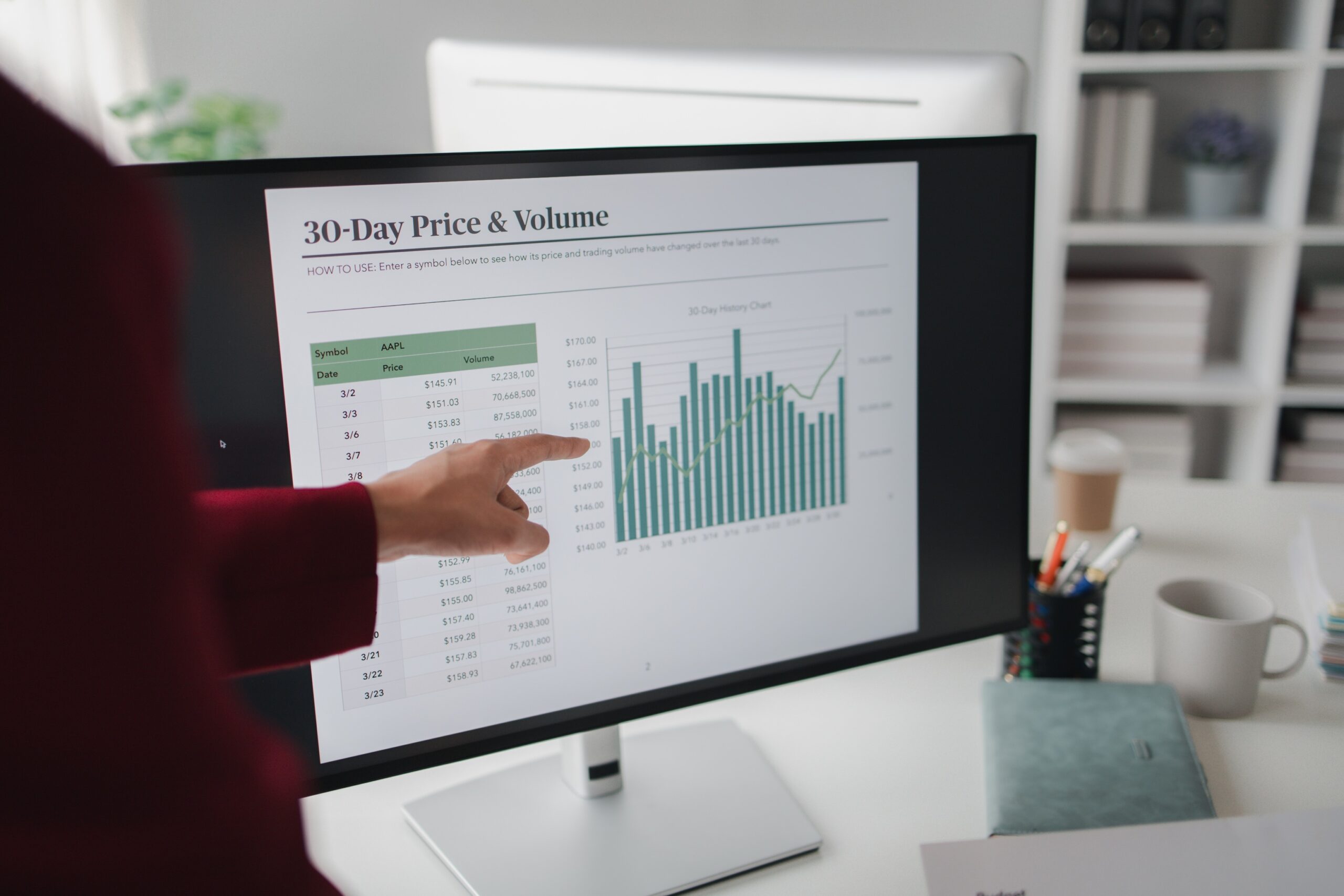
A leading global e-commerce marketplace platform wanted to improve the accuracy of its advertising revenue forecasts. The company was experiencing significant gaps between forecasted and actual revenue, particularly during holiday seasons and peak demand periods. Its existing Excel-based, GMV-driven forecasting approach did not adequately account for seasonality, demand patterns, or day-level variations, limiting its ability to plan advertising strategies effectively.
THE CHALLENGE
The company’s existing forecasting model showed large variances between projected and actual advertising revenue. Forecast accuracy was particularly affected during holidays, seasonal peaks, and periods of changing demand. The reliance on GMV as the primary forecasting metric also limited the model’s ability to capture actual revenue patterns. In addition, the Excel-based approach did not account for weekday and weekend variations or seasonal demand fluctuations. The organization needed a more reliable forecasting methodology that could provide revenue projections at daily, monthly, and quarterly levels.
THE SOLUTION
The Prescience team evaluated the existing forecasting methodology and assessed multiple machine learning models, including SARIMA, to determine their suitability for the use case. Based on the analysis, the team developed an indexing-based forecasting approach using advertising revenue as the key metric.
The new methodology applied weighted averages, giving greater importance to recent revenue trends, while incorporating day-level demand variations such as weekday and weekend patterns. Seasonality and holiday-based multipliers were also introduced to better account for predictable demand fluctuations. The solution enabled advertising revenue forecasting at daily, monthly, and quarterly levels for the next 12 months.
Technologies used:
●Python
●Microsoft Excel
THE IMPACT
Achieved 85%+ performance on selected model evaluation metrics while significantly reducing the variance between forecasted and actual advertising revenue. The solution improved visibility into revenue trends across different time horizons and strengthened planning for seasonal and peak-demand periods. With quarterly, monthly, and daily forecasting capabilities, the company could make more informed advertising strategy and revenue planning decisions.
Learn from the Success Stories of Business Transformations Fueled by Data, AI and Machine Learning